What the Common Reporting Standard asks of you
The Common Reporting Standard, formally the Standard for Automatic Exchange of Financial Account Information in Tax Matters, is the OECD’s global answer to the question FATCA raised: where do your customers pay tax, and who needs to know? It borrows heavily from the Model 1 FATCA IGA, but the differences matter – and they sit precisely where the work is: cross-border identification, classification and reporting of customer accounts.
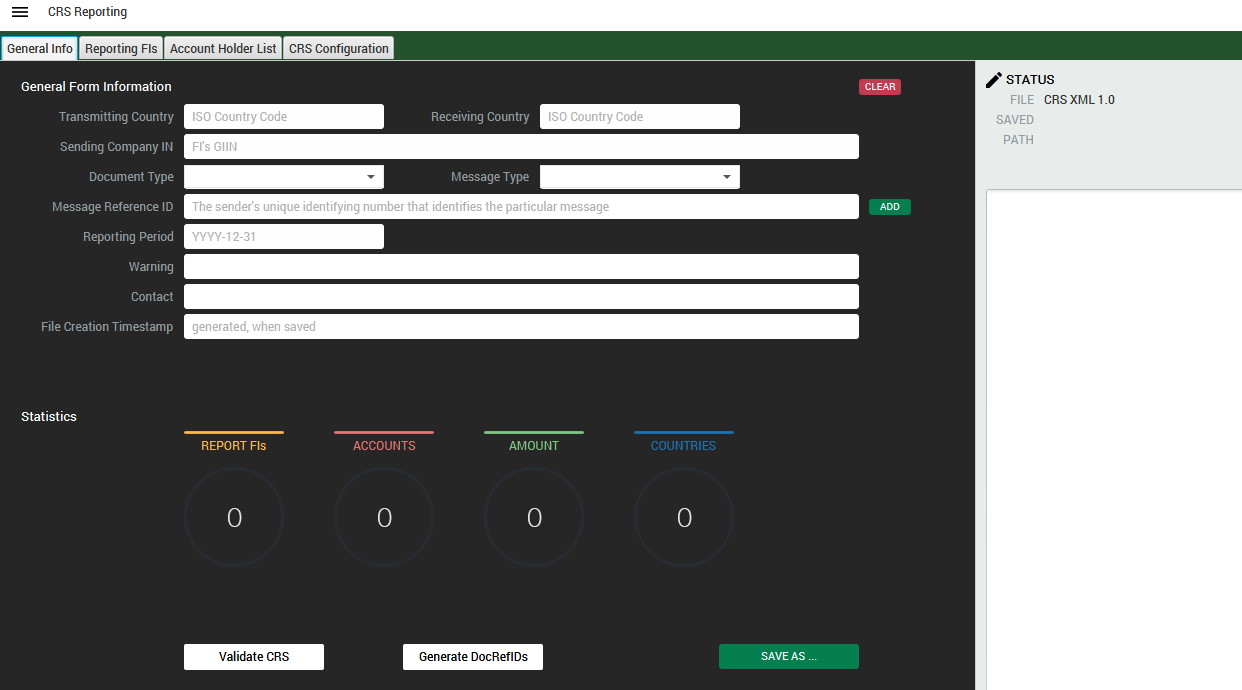
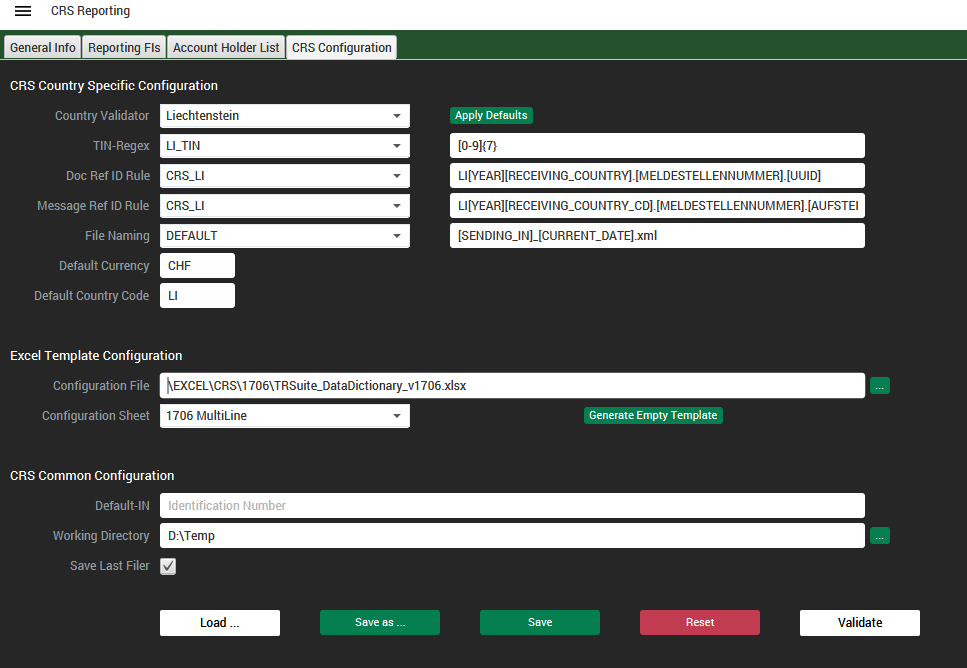
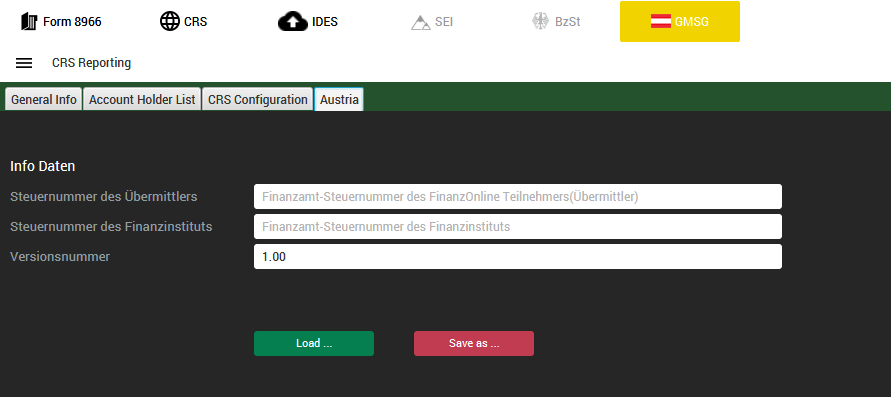
A financial institution has to establish the tax residence of every single customer and be able to hand the resulting information to the relevant tax authority, in the format that authority expects. The OECD schema was designed so that it can serve domestic reporting as well, and many jurisdictions use it unchanged – but not all of them.
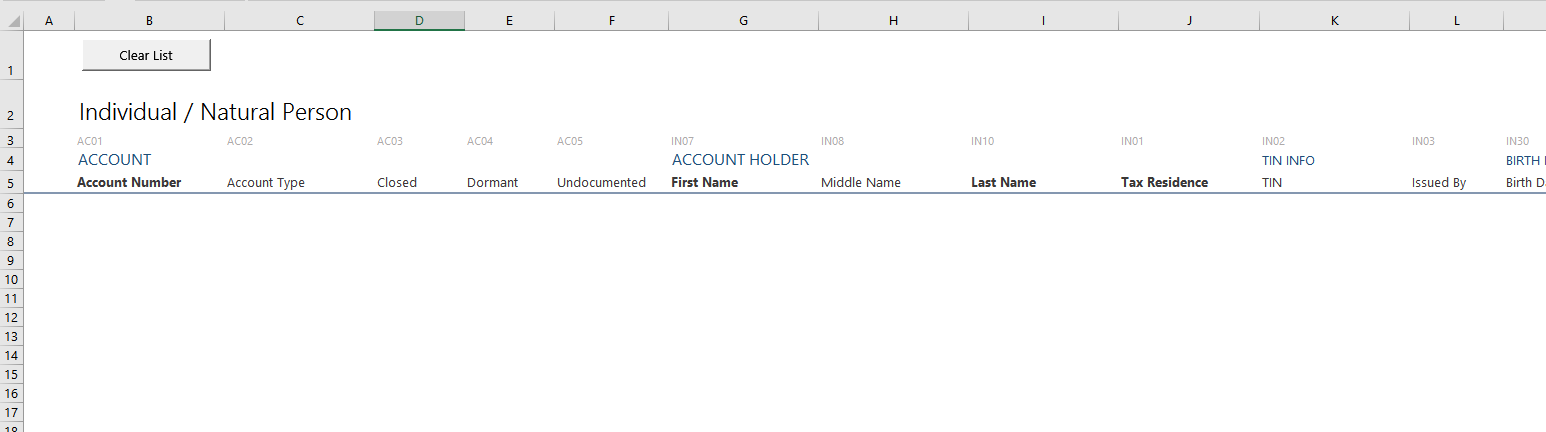
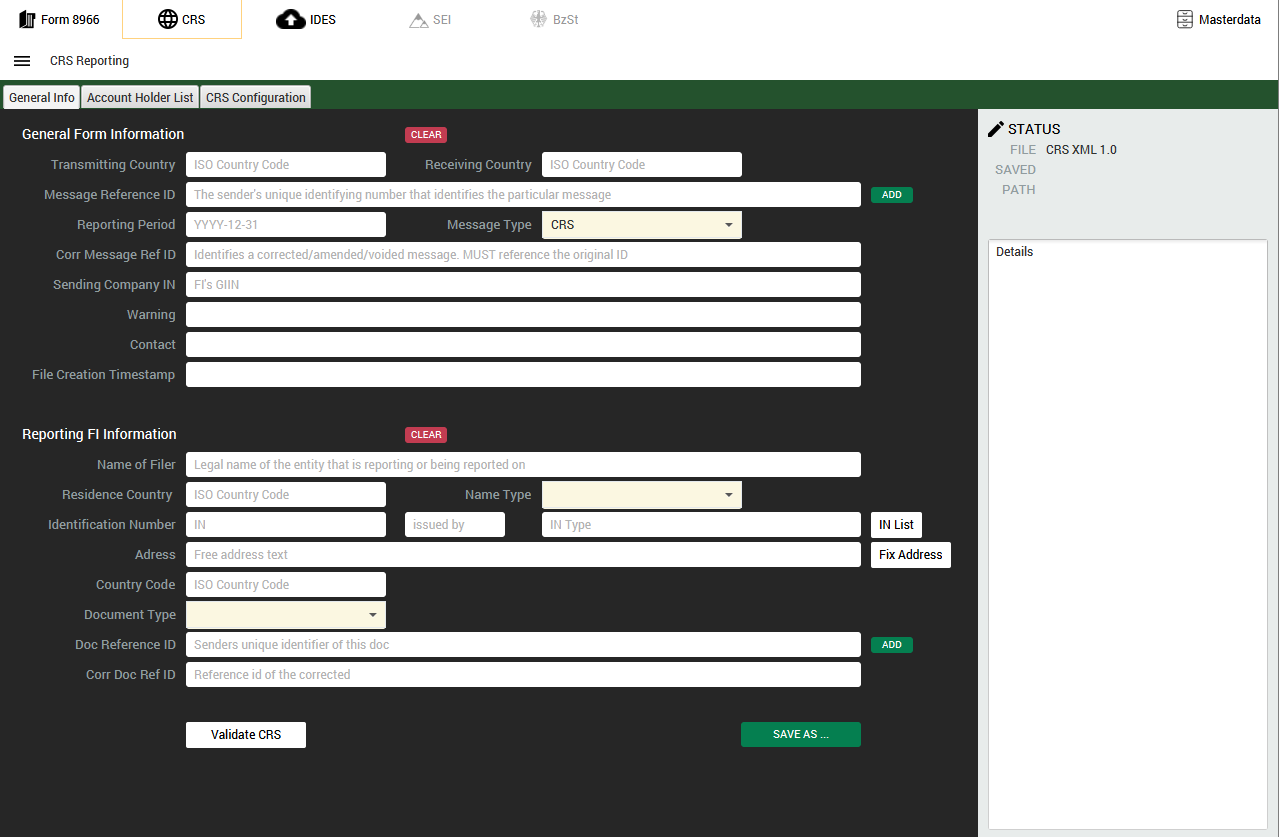
CRS 3.0 changes the data you have to collect. Self-certification, due diligence procedure, account type, equity interest type and joint account count are new mandatory or newly typed elements, and controlling persons became a repeating structure. Jurisdictions switch at different dates – the Isle of Man from 1 October 2026, most others from 1 January 2027. TRSuite reads CRS XML 1.0, 2.0 and 3.0 and writes both 2.0 and 3.0, so you can move when your authority does, not before.